Address
Rua José Maria Marques, Acait, Dili, Timor-Leste
Opening Hours
Monday-Friday
08:30am-05:30pm

Address
Rua José Maria Marques, Acait, Dili, Timor-Leste
Opening Hours
Monday-Friday
08:30am-05:30pm
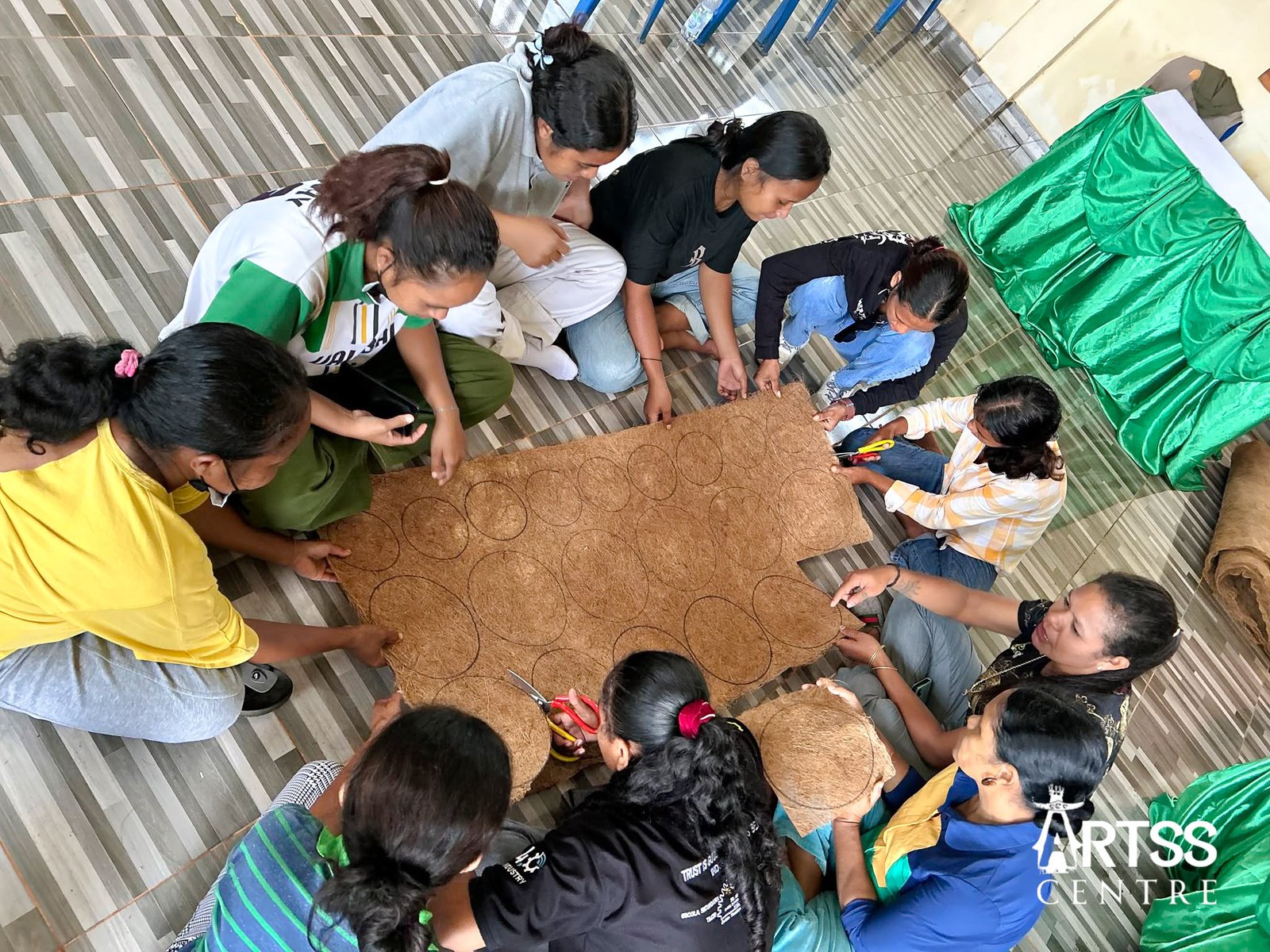
A discarded husk becomes a bag, a hat, a business. Twenty-five women from Baucau, Viqueque, and Lautem are the first to prove it.
On 7 April 2026, at the CDC Baucau Training Centre, something quietly historic took place. Representatives of the European Union, the International Labour Organization (ILO), AEMTL, PAM Baucau, and local government institutions gathered not for a speech, but for a beginning: the official launch of the Coconut Coir Production and Prototyping Training under the Brand Timor initiative.
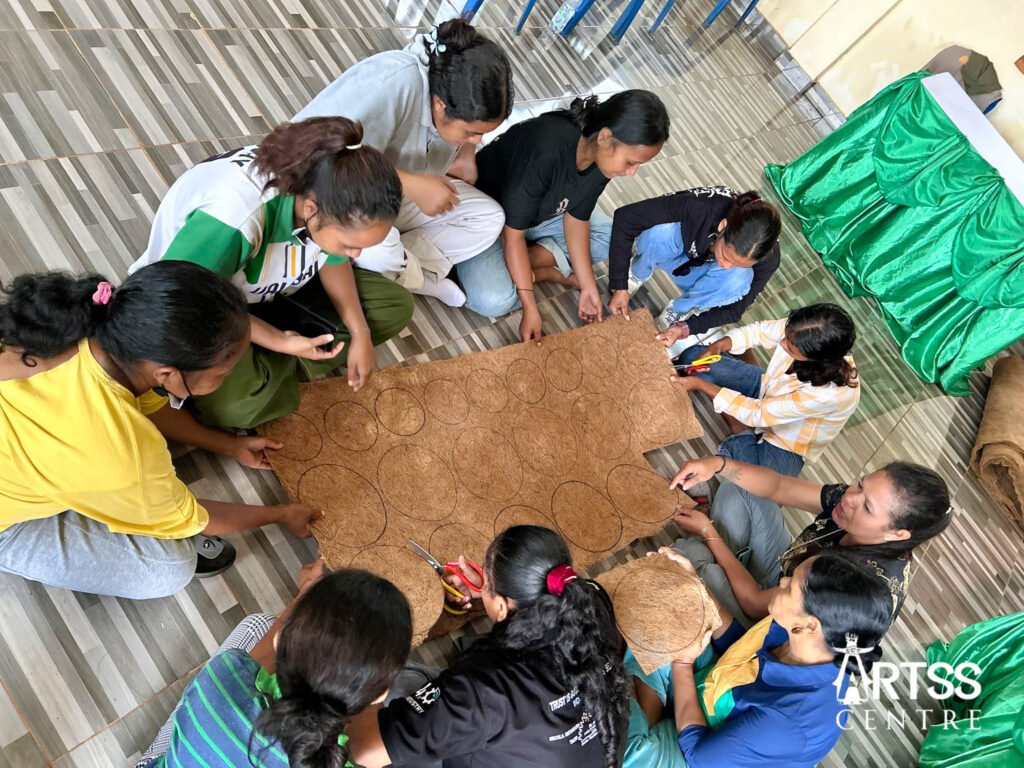
For generations, the coconut husk, so plentiful along Timor-Leste’s coastlines that it is rarely even noticed, has been treated as waste: burned, discarded, left to rot in the sun. In Baucau, Viqueque, and Lautem, twenty-five women arrived at the training with that same understanding. Ten days later, they left with a different one.
Guided through the craft of coconut coir prototyping and production, the participants learned to wash, comb, spin, and weave fibre once destined for the fire into bags, hats, home accessories, and other market-ready goods. What changed was not only their hands, but their sense of what their own environment was worth.
The training is part of a wider ambition. It is one thread in the Brand Timor initiative, AEMTL’s effort, under the ARTSS Centre, to position Timor-Leste’s coconut, cocoa, and vanilla as premium, authentic, and sustainable products for local, ASEAN, and international markets. The initiative is delivered through the Agroforestry Skills for Employment and Resilience Programme in Timor-Leste, implemented by the ILO and funded by the European Union.
The results have not stayed quiet for long. Photographs of the finished coir products, shared soon after the training within the participants’ own communities, drew an immediate response: neighbours asking where the items could be bought, and other women asking how they, too, could join the next course. A material once thrown away had become something worth talking about.
Beyond the products themselves, the training reflects a deeper shift already underway across Timor-Leste’s coconut sector. AEMTL, ILO, and the European Union have continued to strengthen the value chain from multiple directions, from technical training in coir prototyping to partnerships exploring new derivative products and wider export markets, building toward a future where Timorese coconut is known not for what is thrown away, but for what is made.
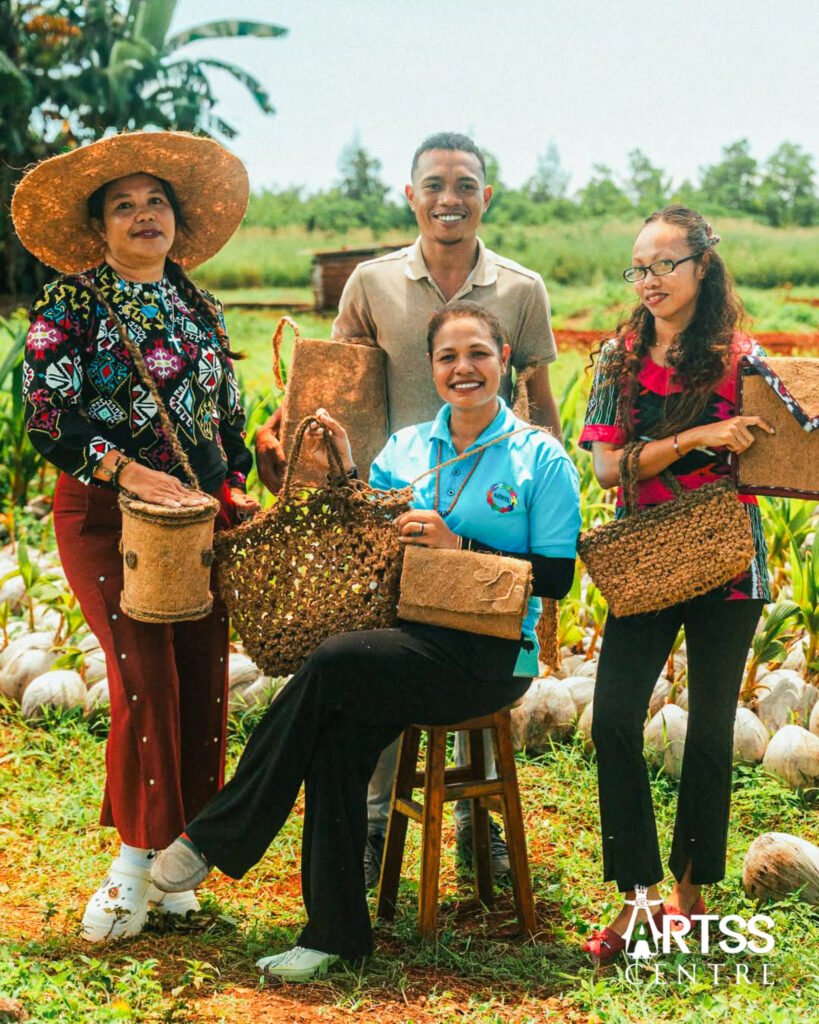
For the twenty-five women of Baucau, Viqueque, and Lautem, that future has already begun. Their bags, hats, and accessories, now part of the growing Brand Timor catalogue, will be among the first products available through the ARTSS Centre, carrying with them not just craftsmanship, but proof of what is possible when a community looks at what it already has, and sees it differently.
ARTSS Centre and AEMTL extend sincere thanks to the European Union for its support, and to the ILO, PAM Baucau, local government institutions, and all partners for their continued collaboration in empowering Timorese communities, especially women, through skills, innovation, and entrepreneurship.